SAMPLE VESSELIMO 0000000 · Vessel type · Flag
Checked Day 1 · yyyy-mm-dd
One result for the vesselIts reasons follow in plain sentences.
- Registered owner
- Company A
- Sources
- As read that day
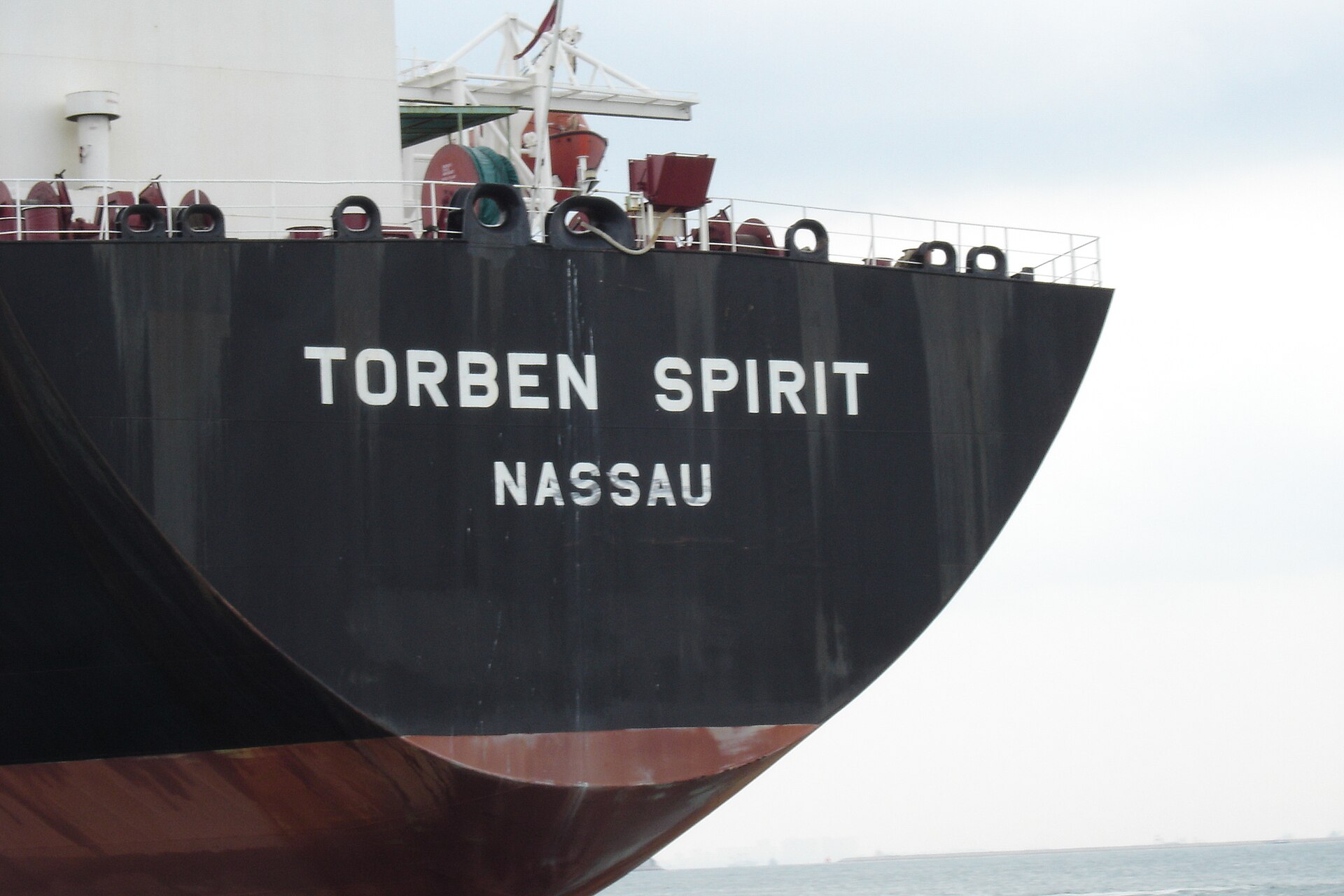
A ship carries its name on its stern.Its owner is harder to read. Check Barbaros reads both.
Screen any vessel and the companies behind it, and get one report you can defend.
Before a ship is chartered, fuelled, financed or insured, several teams need one answer they can explain later.
See who lists it, who owns it and who manages it before you commit.
Operations · ComplianceGive credit teams and banks a record with a source for every finding.
Credit · FinanceKeep what was known on the day, in a signed report anyone can verify.
Compliance · AuditNomination → Websites → Decision → Communication
Someone opens several websites, pastes the results and generates a document and a decision. These are sent around. Months later, nobody can show what was known on the day.
Barbaros does the checking. Your team keeps the decision.
Also included: screen many vessels at once and accounts for your team. You get one verdict with its reasons, not a score.
A live result changes. A decision you may have to defend needs a record that does not.
The first report stays as it was. A later check makes a new report beside it.
Same vessel, checked twice. A later check never changes the first report.
Illustrative sample. Every name and date is a placeholder.
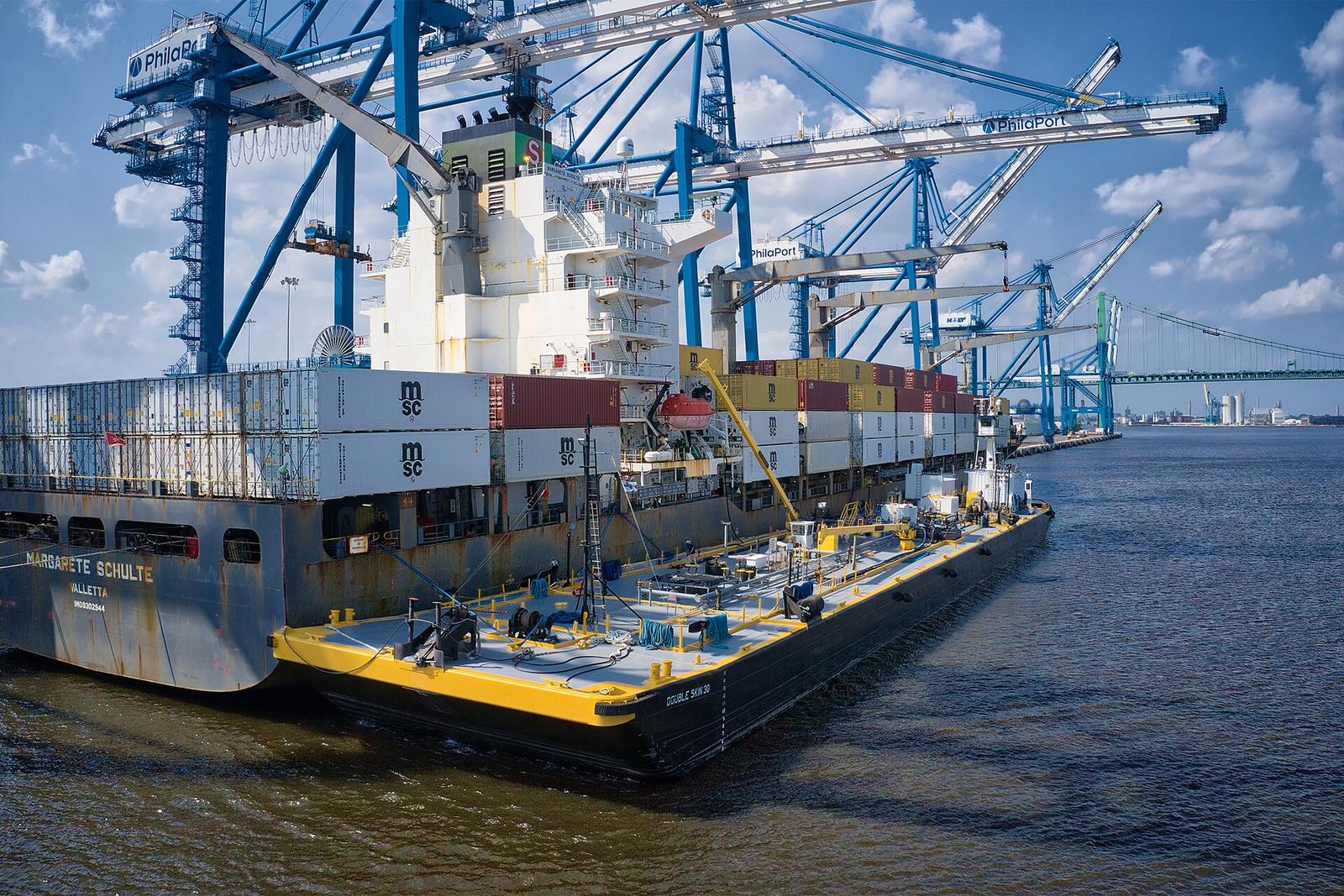
A fuel supplier gets a vessel nomination from a trader. Nothing is delivered until the team can say who is behind the ship.
Or before a cargo is loaded. A charterer is told which ship will carry the cargo. The team checks the ship and the companies behind it before loading starts, so the file is ready if the bank asks.
The same steps fit a charterer fixing a ship, an insurer writing cover and a lender financing a cargo.
Operations enters the IMO number. Barbaros confirms the hull and shows any source that disagrees.
The vessel, its owner and its manager are screened. Compliance reads one verdict and the source behind each reason.
Credit staff attach the signed report to the payment file, so the bank reads the same evidence.
An auditor asks what was known on the day. The first report answers, unchanged, and a new check sits beside it.
The same evidence serves operations, credit, compliance and legal.
Its reasons follow in plain sentences.
Each with its authority file and the date it was read.
Each one is screened, with its own result.
A ship's name and flag can change many times. Its IMO number does not. It is a permanent seven-digit number that stays with the hull through every sale and every change of flag.
Sanctions lists usually record the IMO number of a listed vessel. A search by name can miss a renamed ship, or match an unrelated ship with a similar name. If you only have a name, find the IMO number first. The ship's certificates and the charter party carry it.
Check the lists of every jurisdiction that applies to your business. That means the country you work in, the currencies you use and the rules your banks follow. For most maritime deals, it means at least these four.
| Authority | List | What it shows for a vessel |
|---|---|---|
| United States, OFAC | The SDN list and OFAC's other lists | Blocked vessels, usually with their IMO number and the programme that listed them |
| European Union | Annexes to the EU sanctions regulations | Vessels denied EU ports and services, for example in Annex XLII of Regulation 833/2014 |
| United Kingdom | The UK Sanctions List | Designated persons and specified ships; since 28 January 2026 it is the only UK list |
| United Nations | The Security Council Consolidated List | Vessels named under some regimes, such as the measures on North Korea |
Keep a copy of the authority's own entry for every finding, because that entry is what counts if the finding is ever questioned.
A match on the IMO number means the hull is listed, whatever its current name or flag. Read the entry anyway. It names the programme, the date of listing and often the ship's former names.
A match on a name alone is not yet a finding. Compare the IMO number, the flag, the ship type and the size before you decide. No match does not mean no risk: an authority names a ship only when it acts on that ship.
A sanctions list shows who is listed today, not who was listed before. When an authority removes a vessel, its entry leaves the current list. The hull keeps its IMO number and may keep the same people behind it.
A past listing is a reason to ask, not a reason to refuse. Ask why it was listed, and when and why it was removed. Ask who owned and managed it then and now, and whether the ownership really changed or only the company names.
Sanctions bind people and companies, and a ship is property. If a listed person owns or controls the vessel's owner, manager or operator, dealing with the ship can breach sanctions. This holds even when the ship is on no list.
| Role | Who it is | Why it matters |
|---|---|---|
| Registered owner | The company named on the ship's register, often one that owns only this ship | It holds the legal title, and its own owners may be listed |
| Beneficial owner | The person or group behind the registered owner | The ownership rules look through to them |
| Ship manager | The company responsible for the ship's safety management | It runs the ship day to day and may be listed itself |
| Operator or charterer | The company that employs the ship commercially | It decides where the ship trades and what it carries |
The IMO gives each registered owner and ship manager a unique company number. It stays the same when the company changes its name, so use it to tell apart companies with similar names.
The US treats a company as blocked when listed persons own 50% or more of it, directly or indirectly, even if no list names it. Holdings of different listed persons add up: two listed persons with 25% each block the company. Ownership counts through chains of companies.
The EU looks at both ownership and control, including the right to appoint most of the board. The UK asks whether a listed person owns or controls a company. That means over 50% of shares or votes, the power to appoint most of the board, or the expected ability to direct the company.
The thresholds differ slightly. A company can pass one test and fail another, so check each regime that applies to you on its own terms. Where records are incomplete, an unclear answer is still a finding: record it.
The 2020 US advisory for the maritime industry lists the practices that ships use to hide sanctioned trade. Look for them in a ship's recent history, not only on the lists.
A port call in a sanctioned country deserves a question before you deal. So does a long gap in the ship's AIS track near one.
The lists change every week. A vessel that was clear when you agreed the deal can be listed days later, so screen again before each delivery or payment. Keep a dated record of each check: the lists you searched, what you found and the authority's entry. That record is how you show that you did the work.
Sources: OFAC Sanctions List Search and 2020 maritime advisory; Regulation (EU) 833/2014; UK Sanctions List and OFSI maritime guidance; UN Security Council Consolidated List; IMO Resolution A.1215(34).
Check Barbaros gives you evidence. Your team and your counsel make the decision.
Human review expected.
Clear answers for teams evaluating Check Barbaros. Have a different question? Talk to us.
The main authorities' sanctions lists, read from their own files every day. Watchlists are checked too and shown apart.
No. It shows the evidence. Your team decides under its own policy and takes legal advice where needed.
Yes. Anyone can scan its code or upload the PDF and see that it has not changed.
Two to four weeks, on your own vessels, with your team using it on real work.
Yes, through an API. Tell us how your team works and we will fit it to your flow.
We offer free trials. A trial runs for two to four weeks, with your team using it on real work. Pricing after that depends on how many vessels you screen and how many people use it.
Accounts for your team, for everyone who screens vessels. Your real vessels, the ships you are working on now. Signed reports, yours to keep and to show your bank. And a review together: what worked, and what comes next.
Bring a few vessels. We show what Check Barbaros finds, in one report you can keep. Free trial, two to four weeks, your real vessels, a review together.