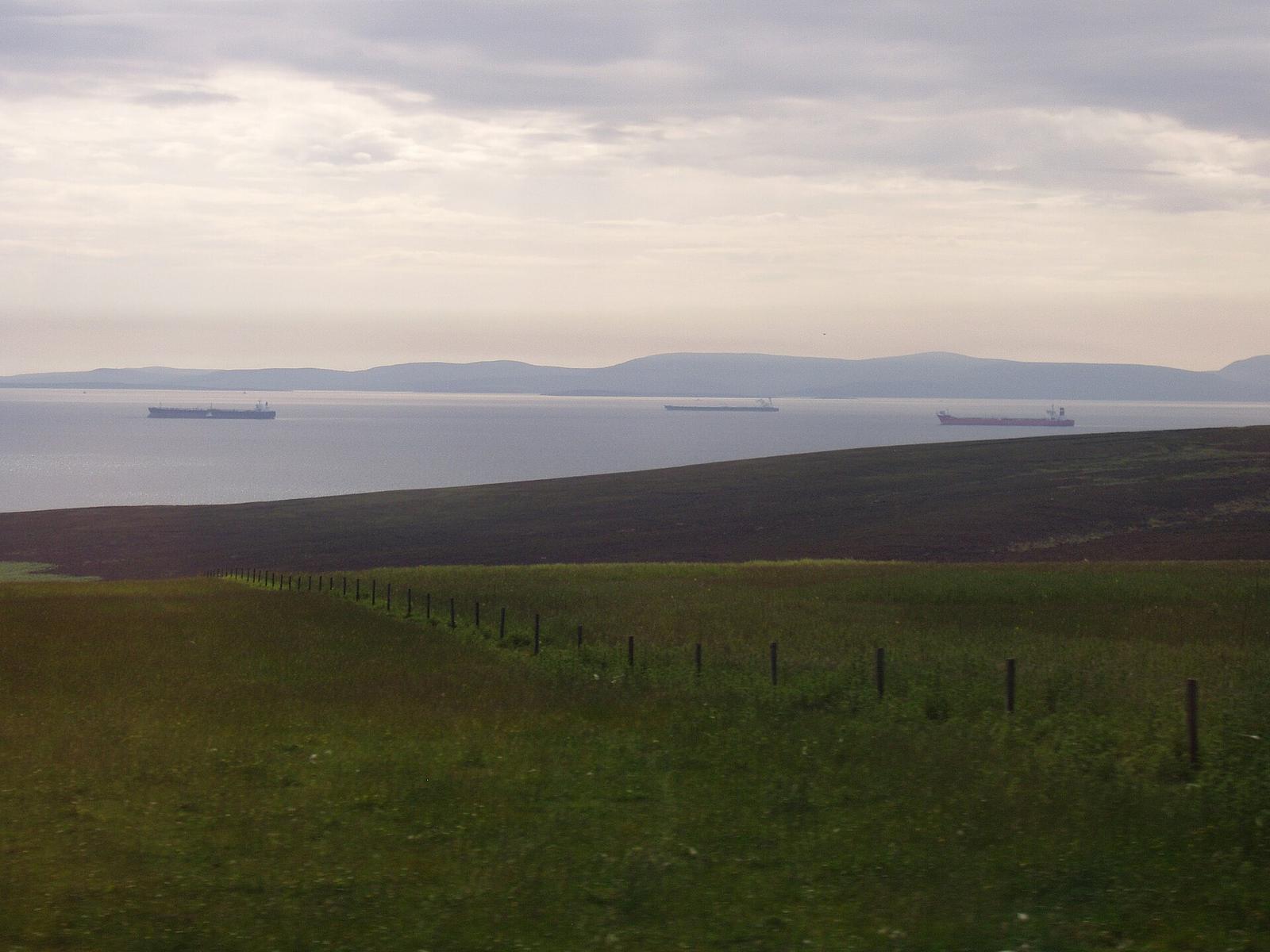
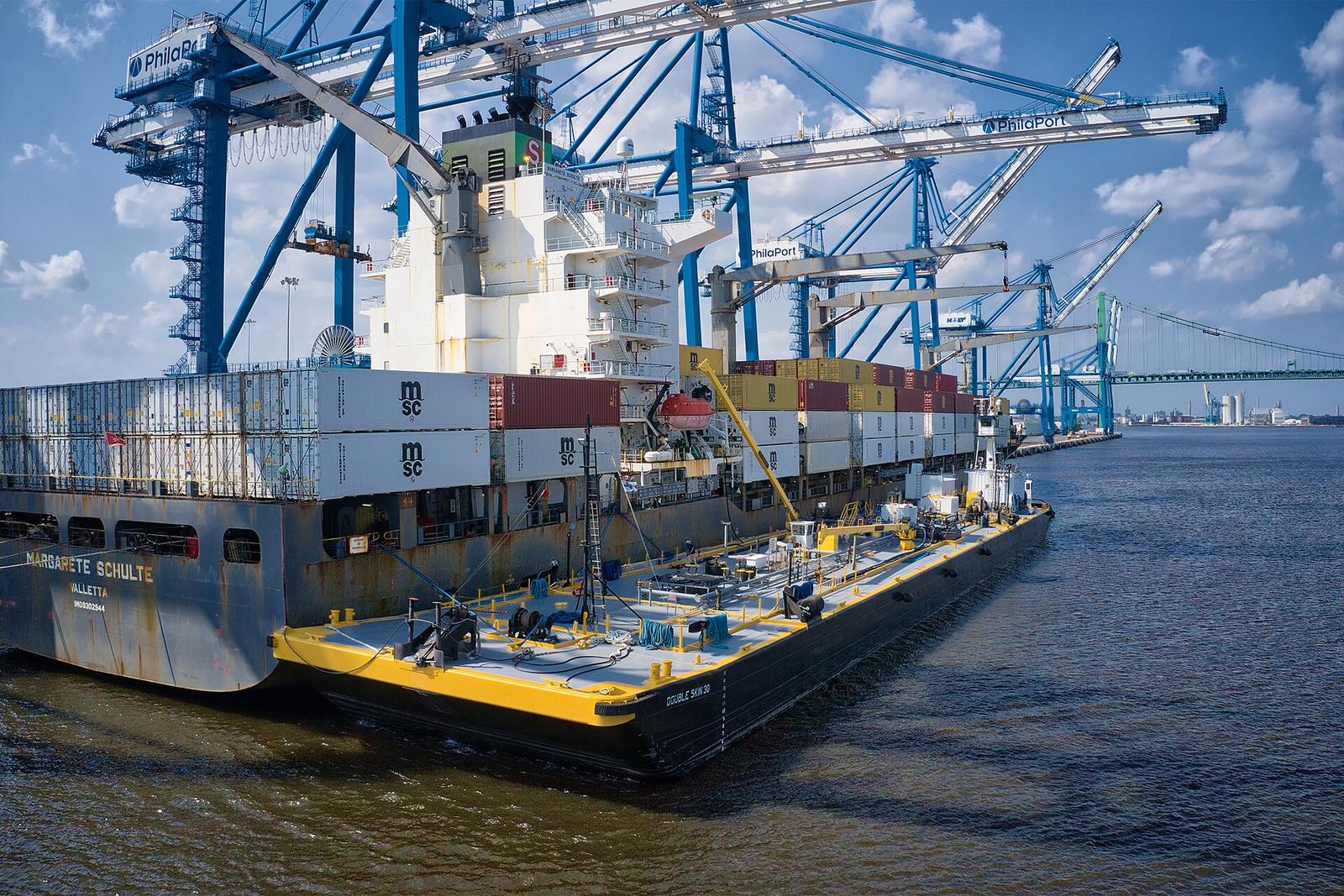
| Ship | Place | Event | Date |
|---|---|---|---|
| NORDIC AURORA | Gemlik approach | Close encounter | 12 Mar 2026 |
| OCEAN EXAMPLE | Istanbul Strait, southbound lane | Left the lane | 28 Feb 2026 |
| ANATOLIAN PEARL | Anchorage D, Black Sea entrance | Anchored outside the area | 19 Feb 2026 |
| NORDIC AURORA | Çanakkale Strait | Close encounter | 04 Feb 2026 |
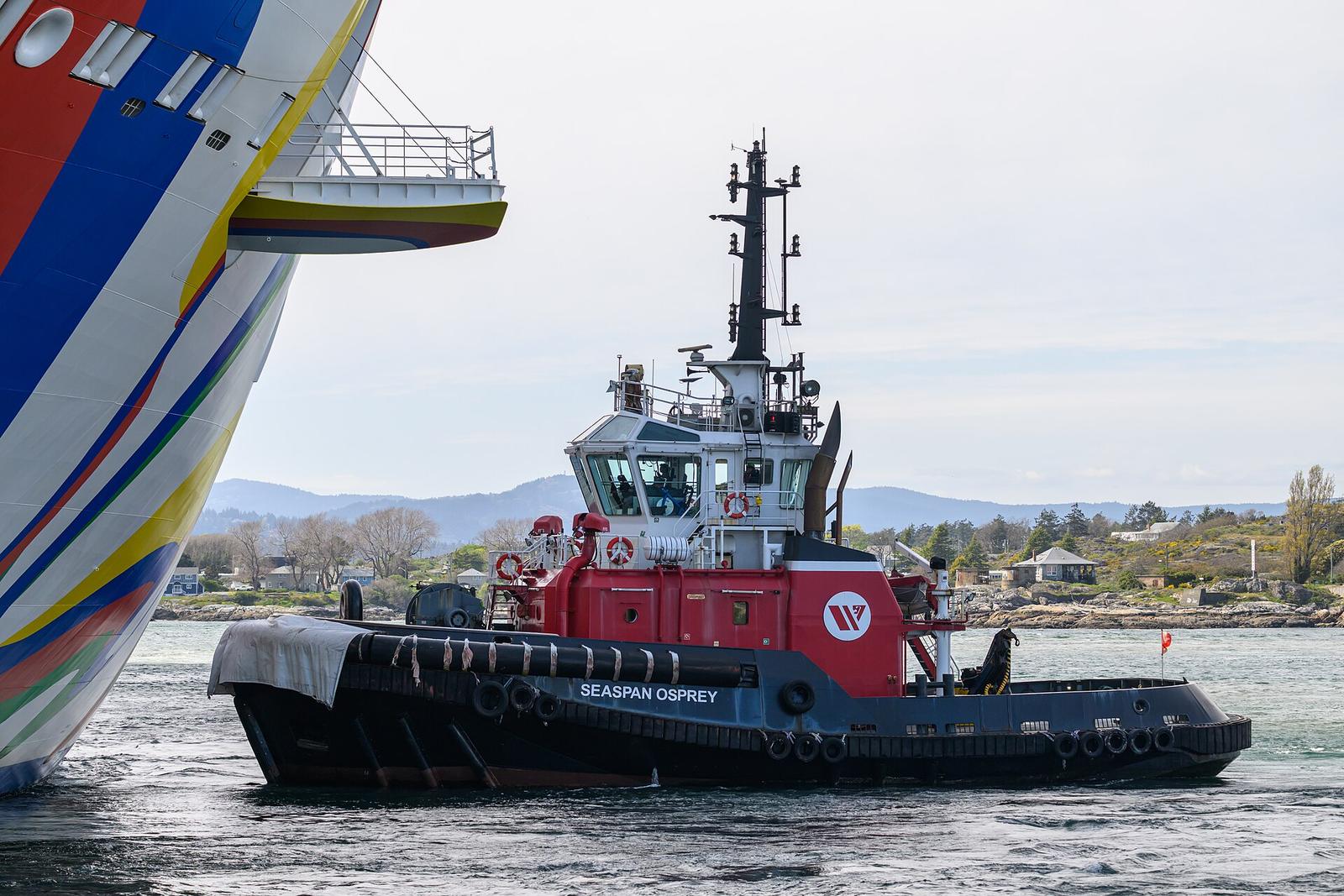
A ship leaves a record in every port.Few companies read it. Fleet Monitoring does.
See how your shipsare handled.
Follow your ships through ports and passages, and see where the rules were kept and where they were not.
What it covers
Close encounters, lane use and anchoring, with nothing to install on board.
Why it exists
Fleet safety often rests on reports from the ship and on audits once a year.
Fleet Monitoring follows your ships from shore and records events in ports and passages. Your safety staff see trends by ship, by place and across the fleet, and real cases then feed crew training.
What you get
- Close encountersClose-quarters situations with other ships, with tracks and times.
- Lane useWhere a ship kept to its lane, and where it did not.
- AnchoringWhere and how the ship anchored, and any drag.
- Ship logA log of events for each ship.
- Fleet trendsTrends by ship, by place and across the fleet.
- Event detailOne event with its tracks and times, ready for review.
- Training casesYour own events, ready to use in crew training.
- Nothing on boardNo hardware or software on the ship.
Three questions it answers
Are our ships following the rules?
See events in ports and passages, ship by ship.
Where do risky situations repeat?
See trends by ship, by place and across the fleet.
What can we learn from this?
Use your own real cases in crew training.
Today
You hear about a close call only if someone reports it, and trends across the fleet stay hidden.
Problems it solves
Today
With Fleet Monitoring
A close call is known only if someone reports it.
Every voyage leaves a record, reported or not.
Trends across the fleet stay hidden.
Trends show by ship, by place and across the fleet.
A review starts from memory and emails.
A review starts from the tracks and times.
Crew training uses generic cases from other fleets.
Training uses your own real cases.
Shore staff see a ship's handling only during an audit.
Shore staff see it after every passage.
How it works
- List your ships. Add the vessels you own or charter. Nothing is installed on board.
- We follow them. Their movements are read from shore, through ports and passages.
- We record events. Close encounters, lane use and anchoring, each with its tracks and times.
- Your safety staff review them. Trends show by ship, by place and across the fleet.
- Real cases feed training. Your own events become cases for your crews.
What you see
A log of events per ship, one event with its tracks and times, and a fleet trend.
Every event for every ship, newest first. Open one to see what happened.
One event with the ship's track and the times along it, so a review starts from what happened.
How events change over time. The same view can be cut by ship, by place or for the whole fleet.
| Item | Value |
|---|---|
| Place | Istanbul Strait, southbound lane |
| Time outside the lane | 7 min |
| Closest ship | 0.4 nm |
An example. Ships, dates and counts are invented to show the layout, not recorded events.
What stays on record
Each event keeps its tracks and times, so a review starts from what happened and not from memory. The record shows the ship, never who gave the order.
What we keep apart
So a reader never mistakes one for the other.
- A ship's record and a person's.
- An event and a fault.
- Open sea and pilot waters.
What it does not do
Where the product stops and your own judgement starts.
- Judge a captain: it shows the ship, not who gave the order.
- Replace bridge records or audits.
Value by industry
Ship owners and operators
See how your ships are handled.
Safety staff depend on reports from the ship and rare audits.
Events in ports and passages, ship by ship, and real cases for training.
Energy and bunkering
See how ships are handled.
Owned and chartered tankers carry the company's name into every port.
A record of how those ships are handled through ports and passages.
Who uses it
- Safety staff
Events and trends without waiting for a report.
For example: A tanker has three close encounters in one port in a month. The trend shows it by ship and by place, before any report is filed.
- Fleet managers
A view of every ship, side by side.
For example: A manager compares the same passage across ten ships and sees which ones keep to the lane.
- Training teams
Real cases from their own fleet.
For example: A real close encounter from last quarter becomes a case for the next crew course.
- Management
A fleet trend for safety reviews.
For example: The quarterly safety review starts from a fleet trend and not from a stack of reports.
Questions we hear first
- We already have bridge records.
- Those stay on board and are used after an incident. This shows every voyage from shore, with nothing installed.
- Our crews will feel watched.
- It shows the ship, not who gave the order. Use it to learn, not to blame.
- We have our own reporting system.
- Keep it. Fleet Monitoring adds the events nobody reported.
Frequently asked questions
Have a different question? Talk to us.
Do we install anything on board?
No. There is nothing to install on board.
Which waters does it cover?
Ports and passages where we have coverage. Tell us your routes and we will confirm.
Who sees our data?
The people in your account. Talk to us about how your teams share it.
Does it show who was on watch?
No. It shows the ship and the event, not who gave the order.
Goes with
- Passage BriefBrief every approach the same way.
- Check BarbarosCheck whom you deal with.
Try it free on your own ships
We offer free trials. Talk to us and we will fit one to your work. Pricing after that depends on how you use it.
A trial
A look-back on a few of your ships, reviewed with your safety staff.